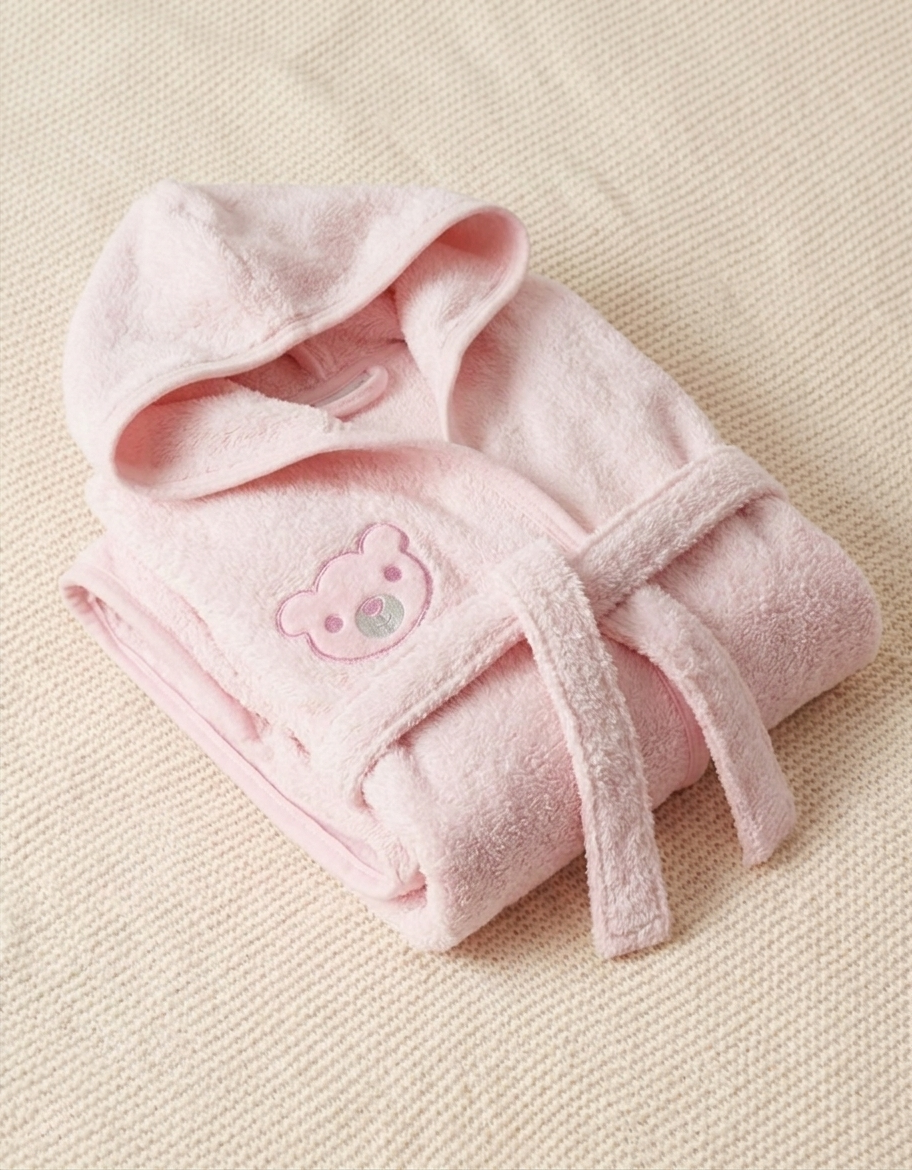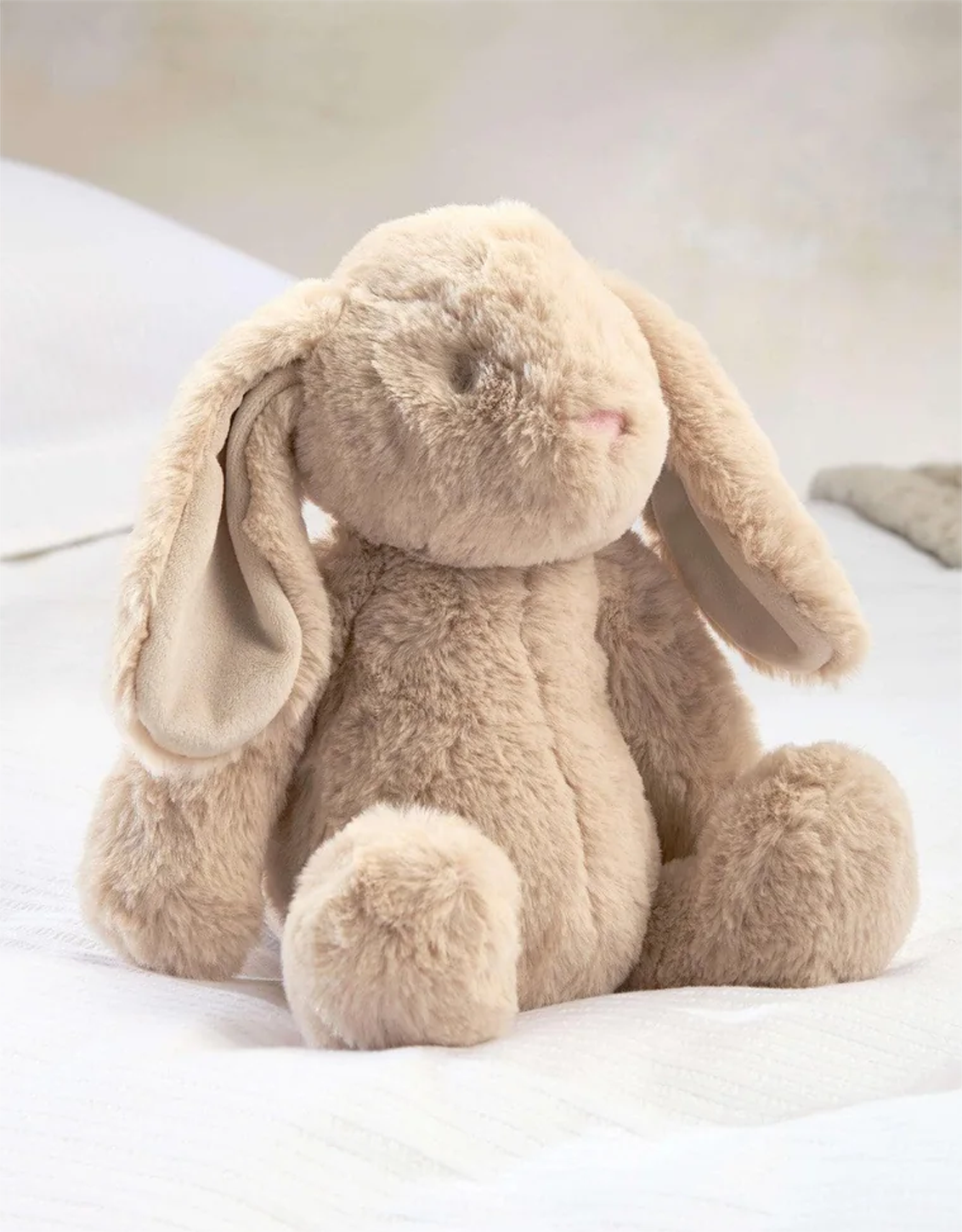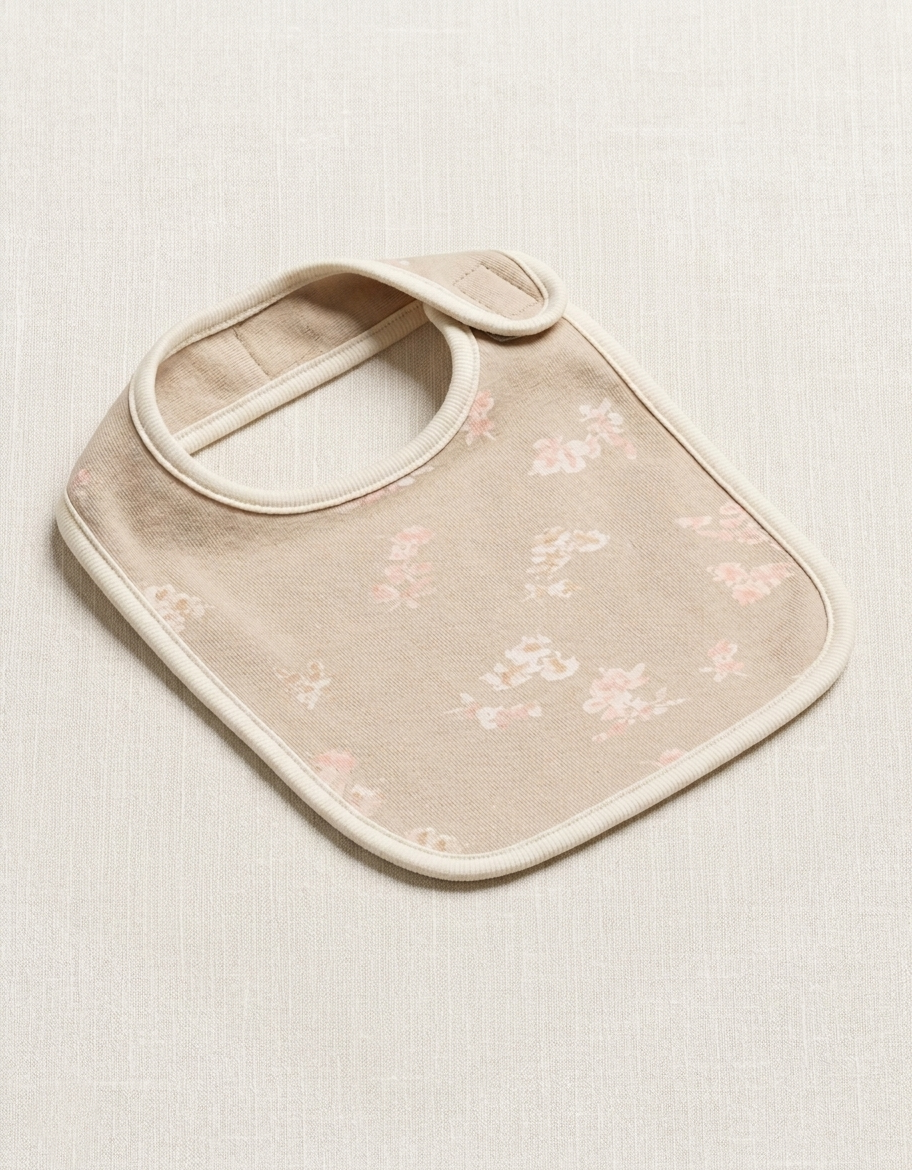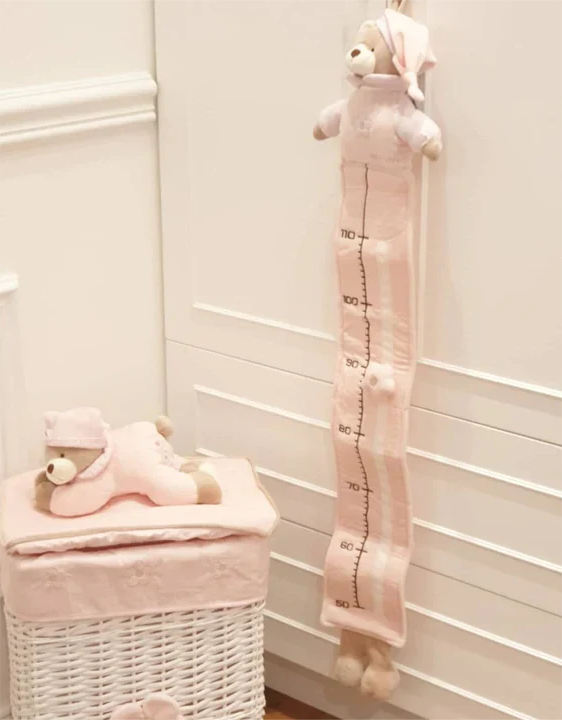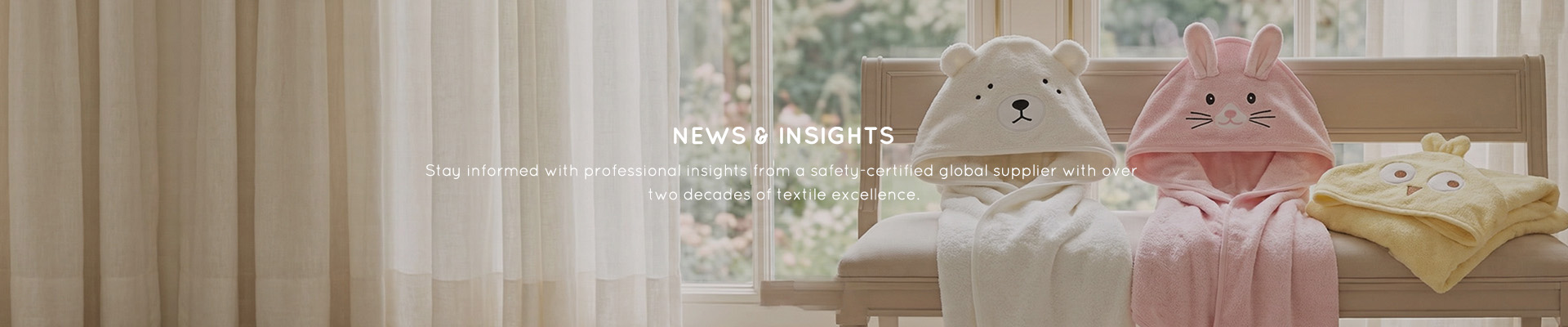
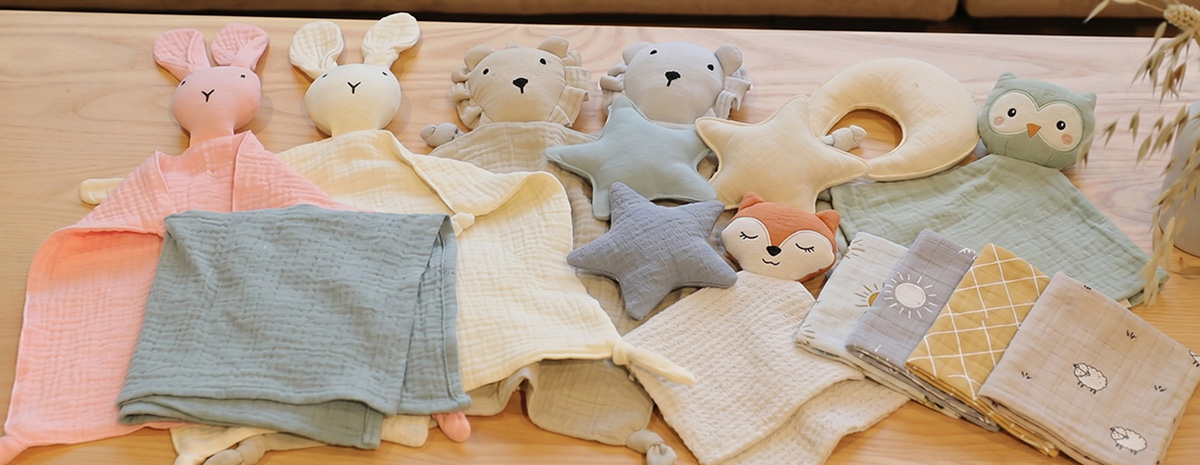
A baby gift set succeeds when every component feels like part of the same story. The blanket, lovey, plush toy, bib and packaging should share a clear visual language, suitable quality level and consistent retail positioning.
For brands and retailers, developing the products together can create a stronger collection than selecting unrelated ready-made items. It can also improve color coordination, branding consistency and the final unboxing experience.
Start with the Customer and Price Position
Before choosing products, define who will buy the set and where it will be sold. A compact promotional set, a boutique newborn gift and a premium licensed collection require different materials, packaging and cost structures.
Clarify:
-Target customer and retail channel
-Intended retail price
-Number of items in the set
-Seasonal or year-round use
-Destination market
-Gift occasion, such as newborn, baby shower or holiday
-Sustainability or certification requirements
The target retail price should guide the product mix. Adding more items is not always the best way to create value; stronger materials, design and packaging can be more effective.
Choose a Product Combination with a Clear Purpose
Popular components include:
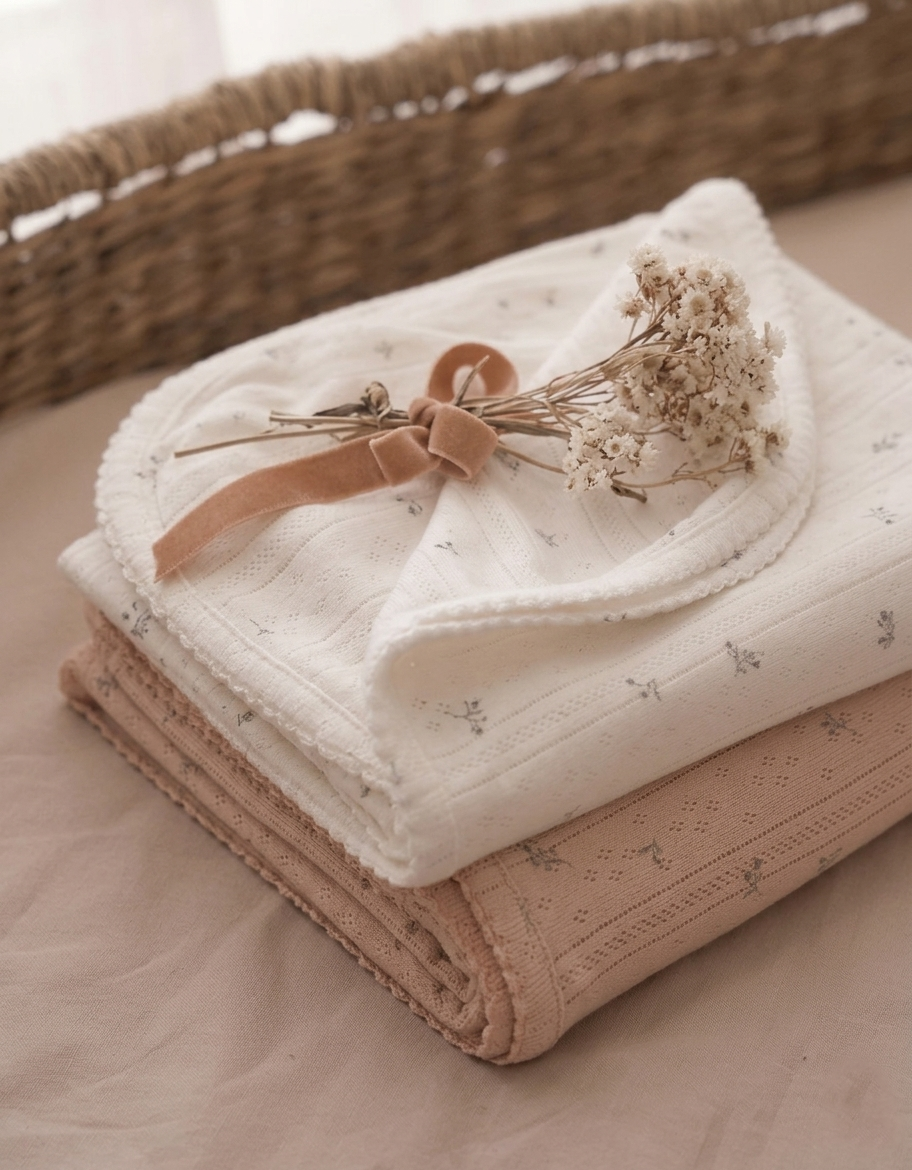
-Muslin swaddle or receiving blanket
-Knitted, fleece or flannel baby blanket
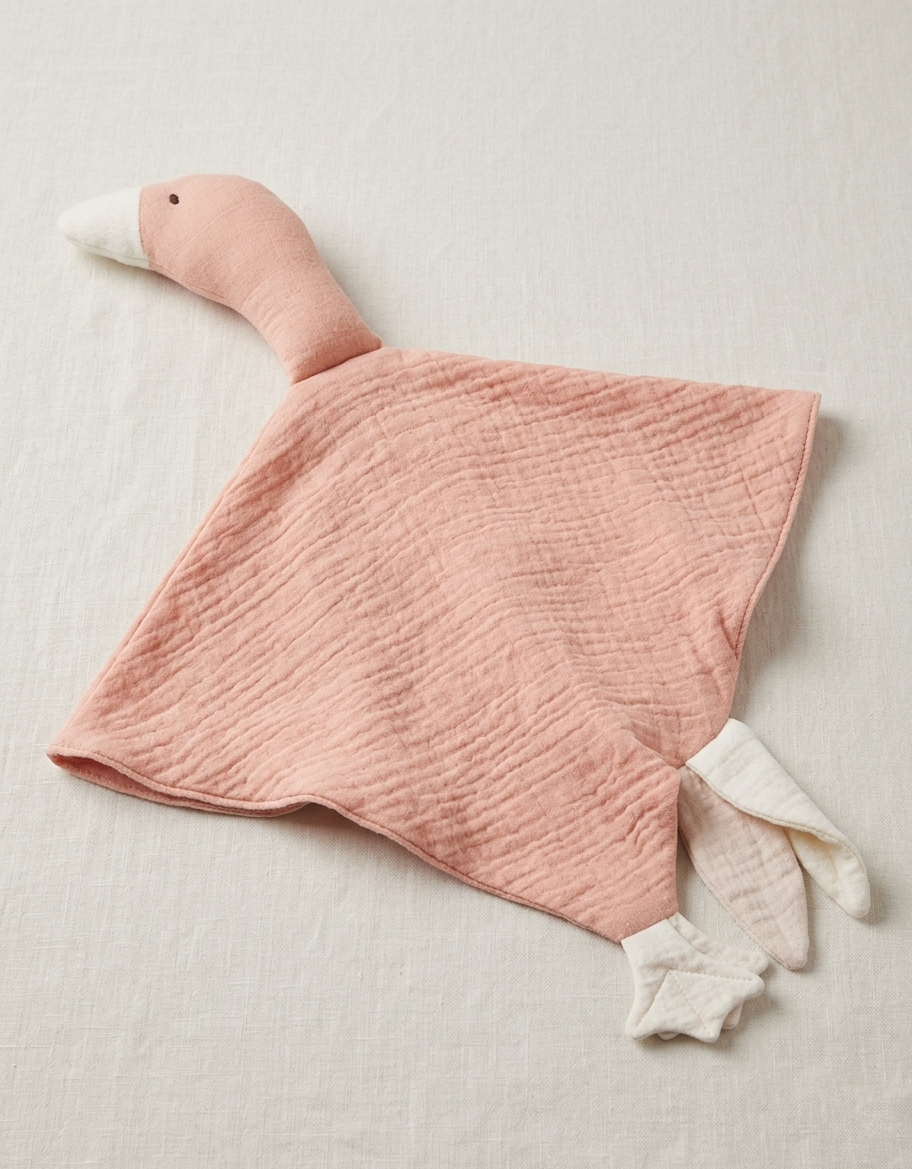
-Security blanket or lovey
-Small plush toy
-Bib or burp cloth
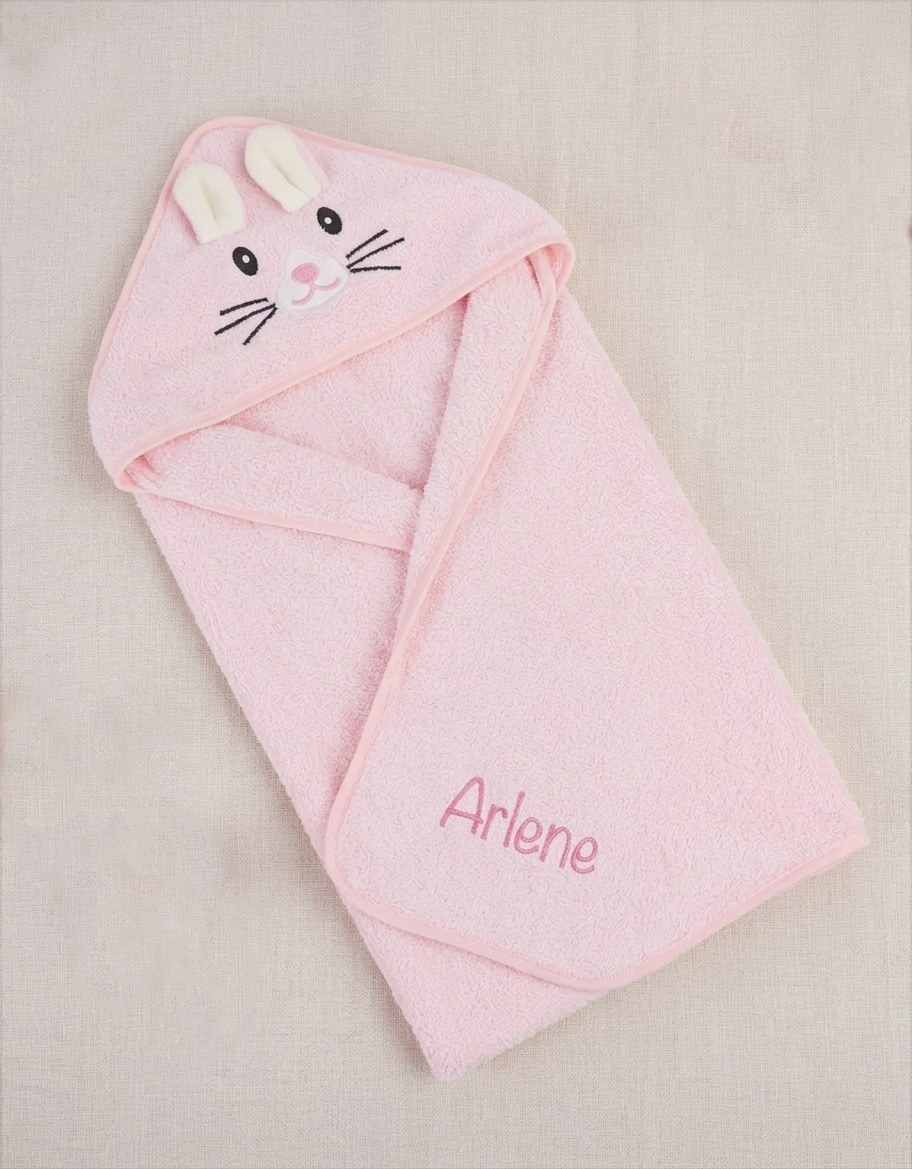
-Hooded towel
-Bathrobe or nursery accessory
Select one hero product and use the other items to support it. For example, a premium knitted blanket can lead a higher-value gift set, while a printed muslin swaddle can be paired with a matching bib and lovey for a lighter everyday collection.
Create One Color and Material Story
A coordinated set does not require every item to use exactly the same fabric. Instead, create a controlled palette of colors and textures.
You might combine:
-A printed muslin blanket using the collection artwork
-A solid-color lovey that matches one print color
-A plush character using two or three related textures
-A bib with a smaller placement print or embroidery
-Packaging that repeats the same logo, color and illustration style
When products use different materials, the same color may look different on each surface. Review physical color submissions and samples together rather than approving each item in isolation.
Repeat Design Elements Carefully
Repetition builds recognition. A character from the blanket print can become a plush toy, embroidery motif or packaging illustration. However, the design may need to be simplified for each manufacturing method.
A detailed illustration might work as an all-over print but require fewer lines for embroidery. A plush version may need adjusted proportions or larger features. The goal is not exact duplication; it is recognizable continuity across different products.
Standardize Branding Across the Set
Confirm a consistent system for:
-Brand logo size and placement
-Woven and care labels
-Hangtags and product names
-Fiber and care information
-Packaging typography and colors
-Country-of-origin and traceability information
If the products will also be sold separately, each item may need its own retail labels and packaging in addition to the outer gift box.
Design the Packaging Early
Packaging affects product selection, folding method, shipping volume and cost. It should therefore be developed alongside the products, not after they are completed.
Common formats include:
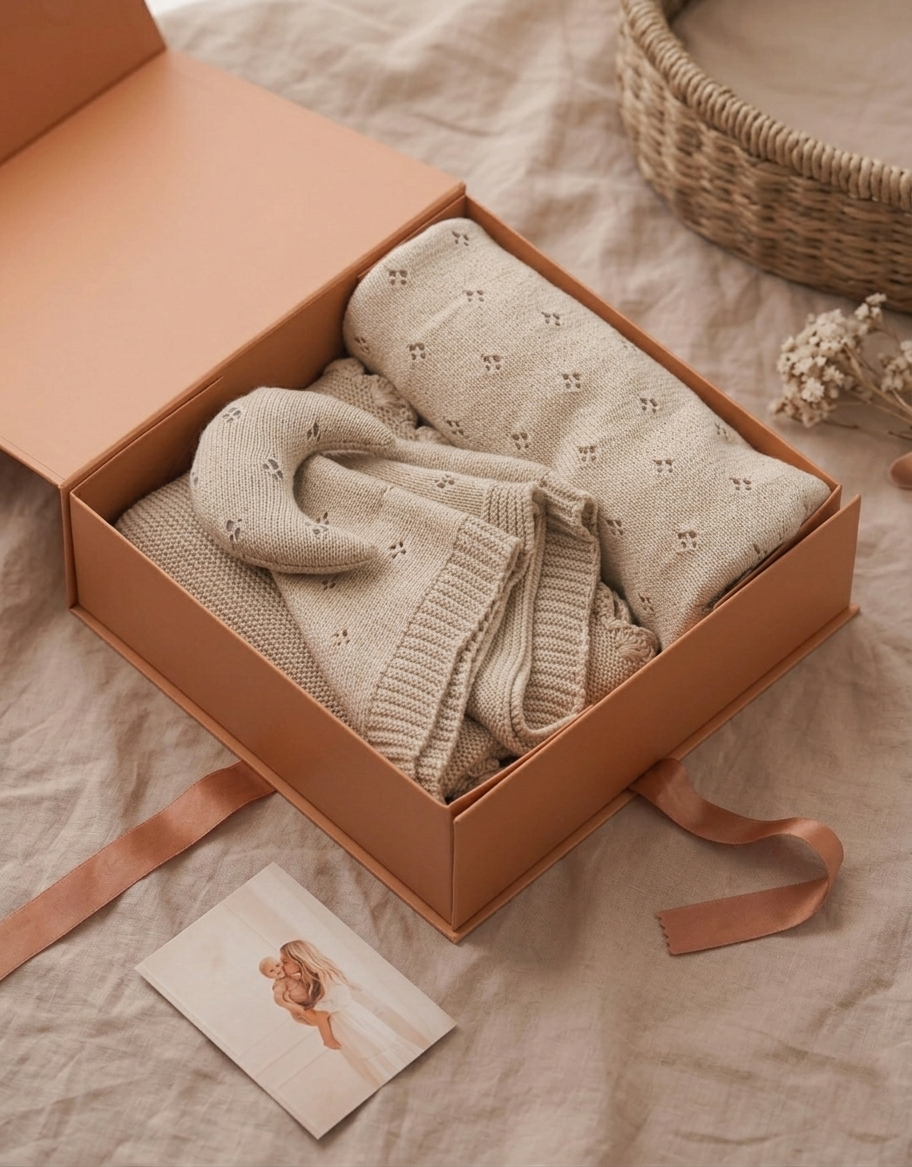
-Printed gift boxes
-Window boxes
-Drawer-style boxes
-Reusable fabric bags
-Paper belly bands
-Ribbon bundles
-Retail-ready cartons or sleeves
Consider how the products will stay in position, whether the customer can see or touch them, and how the set will withstand transit. A packaging mock-up or packing test can reveal issues before bulk production.
Coordinate Sampling Across All Components
Review the full set together whenever possible. A beautiful item can still feel out of place if its shade, quality or scale does not match the rest of the collection.
During sample approval, check:
-Color harmony under consistent lighting
-Relative size of each item
-Fabric and quality positioning
-Repeated artwork and branding
-Label consistency
-Folding and presentation
-Packaging fit and protection
-Total packed weight and carton dimensions
Create one master specification list covering every component so changes are tracked across the complete set.
Plan Quantity and Cost by Component
Different products can have different production constraints. A printed blanket, knitted item, plush toy and custom box may not share the same minimum order quantity or lead time.
Ask the supplier to explain:
-MOQ for each component
-Whether quantities can be divided by color or design
-Setup costs for printing, embroidery or packaging
-Sampling cost by item
-Production time for each component
-Final assembly and packing arrangements
Confirm these details before finalizing the set. If one component has a significantly higher MOQ, your manufacturer may be able to suggest an alternative material, stock color or decoration method.
Compliance Must Cover the Complete Set
Each component should be evaluated for its product category, intended age group and destination market. Textile labeling, toy safety, small parts, packaging warnings and test requirements may differ within the same gift set.
Discuss the complete product list with the manufacturer and a qualified testing or compliance partner before production. Testing one component does not automatically cover every item in the box.
Create a Coordinated Baby Gift Collection with Megatex
Megatex develops customized nursery products across baby blankets, security blankets, plush toys, hooded towels, bathrobes, bibs and gift sets. Working across multiple categories allows brands to coordinate materials, colors, artwork, labels and packaging within one collection.
Explore our baby textile and nursery products or contact our team with your preferred product combination, artwork, estimated quantity and target market. We can help you evaluate a practical private-label gift-set solution.
FAQ
What products can be included in a private-label baby gift set?
Common options include blankets, swaddles, security blankets, plush toys, bibs, burp cloths, hooded towels, bathrobes and other nursery accessories.
Can different products use the same artwork?
Yes, but the artwork may need to be adapted for printing, embroidery, appliqué or plush construction. A consistent motif and color palette can keep the collection recognizable.
Should packaging be designed before or after product sampling?
Packaging should begin early and be finalized after the product sizes and folding methods are confirmed. A physical packing test is recommended before production.
Why can MOQ vary within one gift set?
Each product may use a different material, manufacturing method or customization process. Printed fabric, knitted products, plush toys and boxes can therefore have different production minimums.