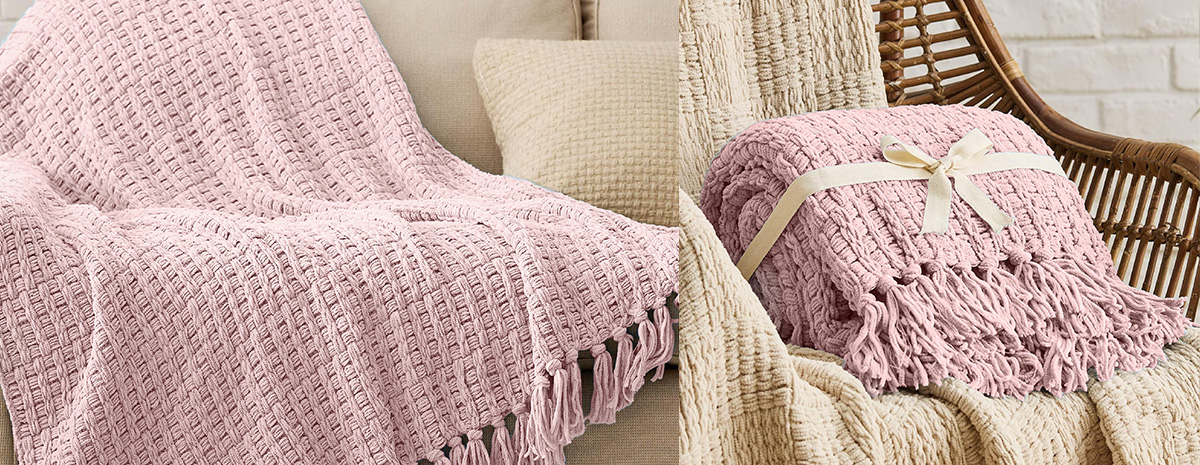
A custom knitted baby blanket can bring texture and a recognisable colour palette to a brand collection. To develop it efficiently, buyers need to define more than a pattern and a finished size. Yarn choice, stitch structure, edge construction and finishing all influence how the blanket looks, feels and behaves after washing.
Start with a product brief
Describe the sales channel, intended use, target price range and visual direction. Include the proposed dimensions, quantities per colour and packaging concept. A reference photograph is useful, but explain which features matter: the stitch texture, border width, colour combination or overall weight.
Identify which details are essential and which can change. This gives the supplier room to propose a feasible construction while protecting the features that make the design recognisable.
Confirm yarn and composition
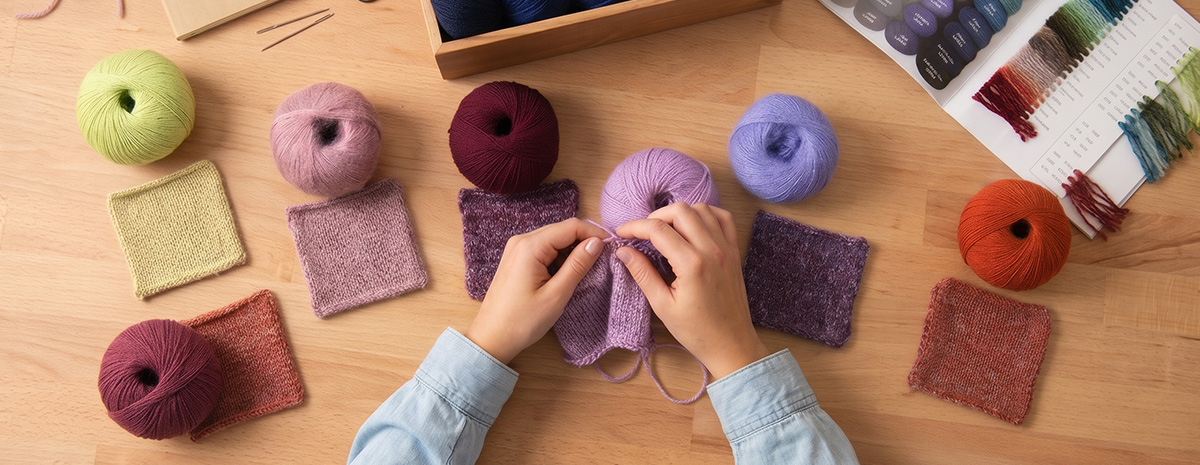
Specify fibre composition rather than using a general description such as soft yarn. Yarn thickness, twist and finishing can affect appearance and handle even when the fibre content is the same. Request yarn information and a knitted swatch for review.
If the collection requires a particular material claim, ask what documentation covers the proposed yarn and finished product. Do not assume that a claim attached to one material automatically applies to every colour or component.
Choose a suitable knit structure
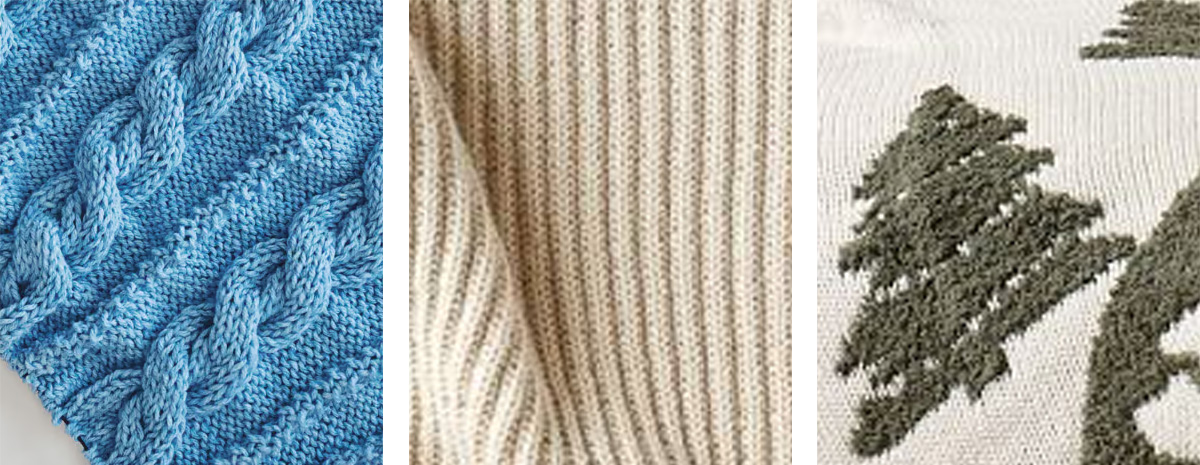
Cable, rib, textured and jacquard designs create different surfaces and reverse-side appearances. A photograph of the front alone may hide details that matter to a buyer, such as floats, loose loops or an unexpected backing effect.
Review both sides of the development swatch. For a logo or character pattern, ask whether fine details remain readable at the proposed scale. Simplifying small features may produce a clearer knitted design than trying to reproduce artwork exactly.
Define colours and borders together
The number of colours and their placement affect the development brief. Confirm whether existing yarn colours are suitable or whether a colour development process is needed. A digital colour reference should be supported by an agreed physical standard when accurate matching matters.
Borders deserve separate attention. Specify the intended edge style and assess whether it lies flat after finishing. An attractive centre pattern will not compensate for edges that curl or distort beyond the agreed appearance.
Approve measurements and laundering
Knitted textiles can stretch during handling, making the measuring method important. Agree that measurements will be taken with the product relaxed under a defined procedure, and record acceptable tolerances. Confirm whether dimensions refer to the product before or after a specified wash.
Check shape retention, surface appearance and the feel after laundering. Photographs of the sample on a flat surface can support the review, but keep a physical approved reference for production comparison.
Allow for the development sequence
Separate yarn or colour approval, knitted swatch review, finished sample approval and production scheduling. A change to the yarn or stitch structure can require another sample, even if the overall design remains similar. Ask for timing against the final specification rather than assuming an earlier estimate still applies.
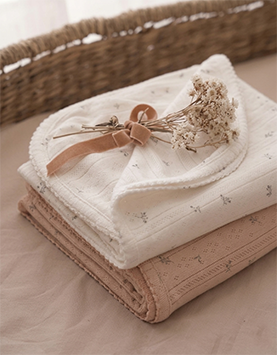
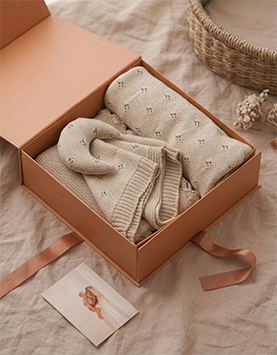
Confirm label placement and packaging before the sample is signed off. Check that the fold shows the intended pattern and that the packaging fits without pulling or distorting the knit.
Request a comparable quotation
For a useful quotation, provide the dimensions, composition, reference pattern, colour allocation, quantity per colour and packing requirements. Ask the supplier to identify any assumptions or alternatives in writing.
Megatex can review your knitted baby blanket brief alongside the baby blanket range. Send your design references and target quantity so the proposed specification and sampling steps can be discussed.
Frequently asked questions
Can a logo be knitted into a blanket?
This depends on the artwork, knitting method and scale. Ask for a swatch showing the proposed interpretation before approving the design.
Why can two cotton knitted blankets have different prices?
Yarn specification, stitch complexity, weight, colour arrangement and finishing can differ even when the fibre description is identical.